Minimising Harm from Alcohol & Substances During the Holidays
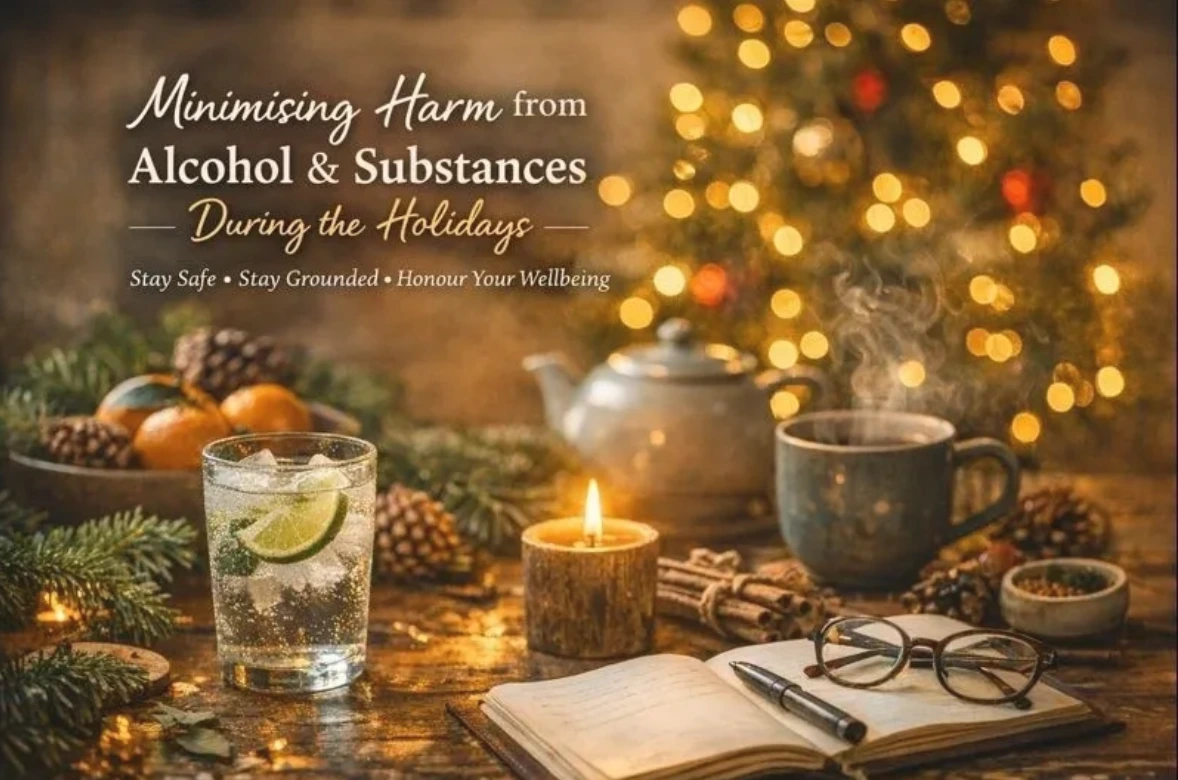
The second blog
Because you deserve a season that feels safe, regulated, and genuinely supportive
The holiday period is often framed as a time of joy, celebration, and connection. However, for many individuals and families, it can also be a season of heightened stress, emotional vulnerability, and increased exposure to alcohol and other substances. Social gatherings frequently revolve around drinking, expectations can feel unspoken yet powerful, and emotional triggers - such as grief, family conflict, financial strain, or loneliness may resurface with intensity.
At Ability To Thrive Counselling & Recovery Coaching, we recognise that this time of year can feel especially complex for people who are in recovery, questioning their relationship with substances, living with mental health challenges, neurodivergence, or trauma histories. Harm minimisation offers a compassionate, evidence-based approach that prioritises safety, autonomy, and wellbeing, rather than shame or all-or-nothing thinking.
Harm minimisation does not require abstinence, nor does it encourage risky behaviour. Instead, it acknowledges reality: people make different choices at different times, and support should meet people where they are.
The aim is not perfection.
The aim is reducing harm from alcohol & substances, increasing awareness, and supporting nervous-system regulation and emotional safety.
Understanding Why the Holidays Can Increase Risk
Before exploring strategies, it is important to understand why this season can increase vulnerability around alcohol and other substances.
Common contributing factors include:
- Increased social pressure to drink or use substances
- Disrupted routines, sleep patterns, and self-care habits
- Heightened emotions, including grief, sadness, anger, or loneliness
- Family dynamics that may activate past trauma or unresolved conflict
- Financial stress and end-of-year exhaustion
- A desire to “switch off” or cope with overwhelm
Substances often become a coping mechanism when internal or external stressors exceed a person’s capacity to manage them. Recognising this reduces self-blame and opens the door to compassionate, practical support.
🎄 1. Know Your Limits - and Honour Them Without Guilt
Self-knowledge is a cornerstone of harm minimisation.
Taking time before events to reflect on your limits can help you make choices that align with your values and wellbeing, rather than reacting in the moment under pressure.
This might involve:
- Choosing not to drink or use substances at all
- Setting a clear limit around quantity or duration
- Deciding which events you will attend and which you will decline
- Planning shorter appearances rather than staying for long periods
Importantly, your limits do not need to match anyone else’s. What feels manageable for one person may feel unsafe for another - and both are valid.
Honouring your boundaries is not antisocial or selfish. It is a form of self-respect and emotional maturity.
🌟 2. Create a Personal Safety Plan
A safety plan is not about fear - it is about empowerment.
When you have a plan, your nervous system feels safer because you know you have options. This is particularly important for individuals with trauma histories, anxiety, or past substance-related harm.
A simple safety plan might include:
- Your transport plan (how you will arrive and leave)
- A time limit for attendance
- A support person you can message or call if needed
- Grounding strategies if you feel dysregulated
- A pre-planned exit phrase if you need to leave early
Planning ahead reduces decision-making under stress and increases your sense of agency.
🧡 3. Recognise Emotional Triggers and Early Warning Signs
Many people associate substance use solely with enjoyment, but clinically, it is often linked to emotional regulation.
Learning to recognise your early warning signs can help interrupt patterns before they escalate.
Signs may include:
- Feeling overwhelmed, irritable, or emotionally numb
- Increased urges to escape or “check out”
- Physical tension, restlessness, or fatigue
- Thoughts such as “I just need something to get through this”
When these signs appear, gently ask:
- What is happening inside me right now?
- What am I actually needing—connection, rest, reassurance, or space?
- What would support me without causing harm?
This reflective pause can be transformative.
🥤 4. Use Practical Harm-Reduction Strategies if You Choose to Drink or Use
If you choose to drink alcohol or use substances, harm minimisation focuses on reducing risk rather than ignoring reality.
Evidence-based strategies include:
- Eating before and during events
- Drinking slowly and spacing drinks out
- Alternating with non-alcoholic beverages
- Avoiding mixing substances
- Staying hydrated
- Being mindful of tolerance changes, especially after periods of reduced use
Non-alcoholic alternatives can also reduce social pressure while supporting regulation, such as mocktails, sparkling water, herbal teas, or warm drinks that provide comfort and grounding.
🧘 5. Support Your Nervous System Throughout the Day
The nervous system plays a central role in substance use and emotional regulation.
Holiday environments can be overstimulating, particularly for individuals with sensory sensitivities, autism, ADHD, anxiety, or trauma histories.
Support your nervous system by:
- Scheduling downtime between events
- Practicing slow breathing or grounding exercises
- Taking brief breaks from noise and crowds
- Prioritising sleep and rest where possible
Small regulation strategies can significantly reduce the urge to self-soothe through substances.
💬 6. Strengthen Boundary-Setting and Assertive Communication
Many people find it difficult to say no, particularly in family or social settings where alcohol use is normalised.
Practicing responses ahead of time can increase confidence and reduce anxiety.
Examples include:
- “No thank you, I’m okay.”
- “I’m pacing myself tonight.”
- “I’ve got an early start tomorrow.”
- “I’m focusing on my wellbeing at the moment.”
You are not responsible for managing other people’s reactions to your boundaries.
🤝 7. Stay Connected to Support
Isolation increases risk. Connection reduces it.
If you notice increased cravings, emotional distress, or old patterns returning, reaching out early can prevent escalation. Recovery support over Christmas may include counselling, recovery coaching, peer support, or trusted personal connections.
At Ability To Thrive Counselling & Recovery Coaching, we provide:
- Trauma-informed counselling
- Recovery coaching
- Emotional regulation and coping strategies
- Non-judgmental, person-centred support
Whether you are navigating recovery, reassessing your relationship with substances, or simply needing extra holiday drinking support during a challenging season, you do not have to do it alone.
The holidays do not have to be perfect to be meaningful. They do not need to look like anyone else’s version of celebration.
Harm minimisation is about meeting yourself with honesty, compassion, and care—choosing safety over shame and support over silence.
You deserve a season that supports your wellbeing, honours your experiences, and allows you to move forward with dignity and hope.
If you need support, Ability To Thrive is here—during the holidays and beyond.
Share this post: